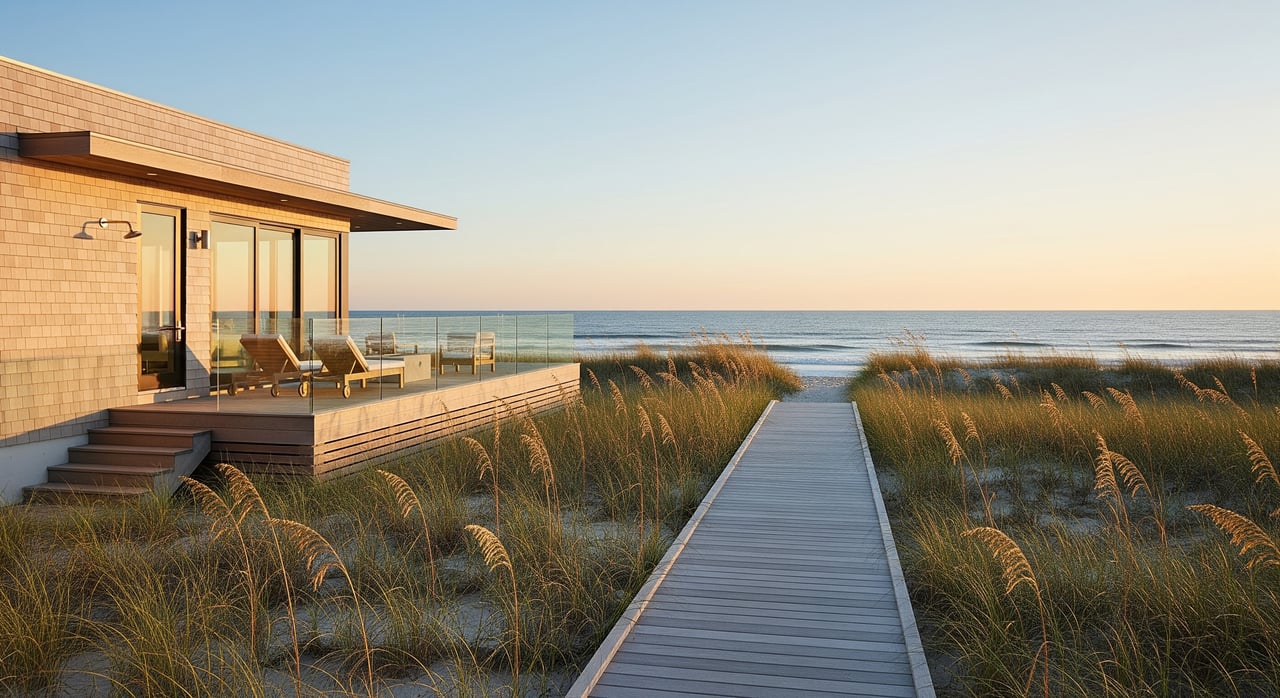
Living in Atlantic Beach FL: What to Expect Day to Day
February 5, 2026
February 5, 2026
Thinking about trading rush-hour traffic for sunrise walks on the sand? If you want small-town coastal living with easy access to Jacksonville, Atlantic Beach belongs on your shortlist. You get a relaxed beach vibe, a tight-knit community, and plenty of ways to be outdoors year-round. In this guide, you’ll learn what daily life feels like, where and how people live, how you get around, and what to know before you buy or relocate. Let’s dive in.
Atlantic Beach sits on a barrier island in Duval County, bordered by the Atlantic Ocean to the east and the Intracoastal Waterway to the west. It is one of the Jacksonville Beaches municipalities and has its own city government and local services. The area blends beach-town charm with access to Jacksonville’s jobs and amenities. You’ll see a mix of families, commuting professionals, retirees, and surf-minded locals.
You feel the ocean in daily routines here. Mornings often start with a beach run, a surf check, or a quiet walk with coffee. Evenings lean casual with local restaurants, small boutiques, and neighborhood hangouts. Community events, seasonal festivals, and arts or charity gatherings pop up throughout the year.
Walkability varies by block. The beach village areas and commercial nodes are more walkable, while many residential streets are car-oriented. Biking is popular for short trips, with bike lanes and sidewalks in some corridors. A1A and nearby avenues connect most local errands.
Picture a midweek morning surf, a bike ride to a coffee shop, then a 20 to 35 minute drive to downtown Jacksonville, depending on traffic and your exact route. After work, you might take a sunset beach walk or meet friends at a local spot near the water. Weekends often revolve around the beach, parks, and short trips to nearby conservation areas. It is a simple, outdoors-first rhythm that many people move here to enjoy.
Public beach access points line the shoreline. You can swim, surf, fish, or simply relax in the sand. Parking rules and availability change with the season and by street, and popular access points can fill quickly on summer weekends. Lifeguard coverage and hours vary seasonally, so always check local guidance before you go.
You are never far from parks, small playgrounds, and neighborhood green spaces. The Intracoastal Waterway offers boating and fishing access, with nearby ramps and marinas in the Beaches area. Dunes, salt marshes, and estuarine habitats shape the landscape and attract shorebirds. During nesting season, you may see sea turtle protections along parts of the beach.
The climate is humid subtropical, with hot summers and mild winters. Hurricane season runs from June 1 through November 30, so planning and preparation are part of coastal living. Flood zones vary block by block, and elevation can affect flood insurance requirements. Many oceanfront and Intracoastal properties carry higher wind and flood coverage costs.
You’ll find a mix of single-family beach cottages, mid-century ranches, renovated bungalows, and newer infill construction. Oceanfront condos and townhomes sit near the sand, while custom contemporary homes and larger estates appear closer to the Intracoastal. Architectural styles range from classic coastal cottage to modern seaside builds. Inventory can be tight, and waterfront homes typically command a premium relative to inland Jacksonville.
Coastal ownership adds a few line items to your budget. Homeowners insurance, wind coverage, and flood insurance are often higher than inland areas. Salt air can accelerate wear on exterior finishes, windows, and HVAC systems, so plan for more frequent maintenance. Elevation and FEMA flood zone can influence lender requirements and your annual insurance bill.
Newer subdivisions and many condo communities have homeowners’ associations. HOA rules can shape renovations, parking, rentals, and amenities, and fees vary. Short-term rentals are regulated, and you should review city ordinances and county rules before buying with rental income in mind. If you are eyeing a rebuild or major remodel, confirm setbacks and zoning before making an offer.
Atlantic Beach is served by Duval County Public Schools. School boundaries change over time, so verify current zoning and program options directly with the district. The Beaches area also includes private, charter, preschool, and daycare options, though capacity can fluctuate seasonally. Libraries, municipal recreation programs, and local community centers offer additional enrichment.
You have access to urgent care and primary care in the Beaches area, with major hospitals and specialized care centers located in Jacksonville. Atlantic Beach maintains local police and fire services. As with any city, crime patterns vary by neighborhood and season. For due diligence, review recent police reports and regional crime mapping when you zero in on a specific street.
Most residents rely on a car for daily life. A1A is the main coastal route, with Beach Boulevard and Mayport Road connecting inland. Depending on traffic and your start and end points, the drive to downtown Jacksonville typically ranges from about 20 to 35 minutes. Jacksonville International Airport is generally 25 to 40 minutes away by car.
Public transit is limited compared with urban cores, though regional bus routes connect parts of the Beaches with Jacksonville. Biking works well for short local errands and beach runs. Street parking near beach access points can be regulated seasonally, with time limits or permits in some areas. Plan ahead on summer weekends and holidays.
The Beaches lifestyle carries a premium compared with many inland Jacksonville neighborhoods. Housing prices, homeowners insurance, and flood coverage often make up the largest cost differences. Florida has no state income tax, which can help your total budget. A thorough financial plan that includes insurance quotes and maintenance allowances will keep surprises to a minimum.
Pros
Considerations
Buying or selling at the beach involves details that matter, from flood zones to HOA rules and insurance. You deserve a team that pairs local expertise with concierge service. The Tonya O’Quinn Group provides white-glove guidance, strategic pricing and valuation, professional photography and staging, a curated vendor network, relocation support, and end-to-end transaction management. If Atlantic Beach is on your radar, let’s map your next steps together.
Ready to get started? Connect with Tonya O'Quinn to request your free home valuation or relocation consultation.
Real Estate
Whether you’re looking for food, parking, restrooms, or just a general schedule of events, we’ve got you covered!

Real Estate
Explore the trends in decreasing home prices and increasing affordability, impacting the market and buyers.

Real Estate
This is our dream home and Tonya made it possible for us to have this home.

Real Estate
These magnificent creatures have long captured the imagination of people around the world.

Real Estate
The City of Jacksonville's fireworks display will launch from two locations this year.
We pride ourselves in providing personalized solutions that bring our clients closer to their dream properties and enhance their long-term wealth.